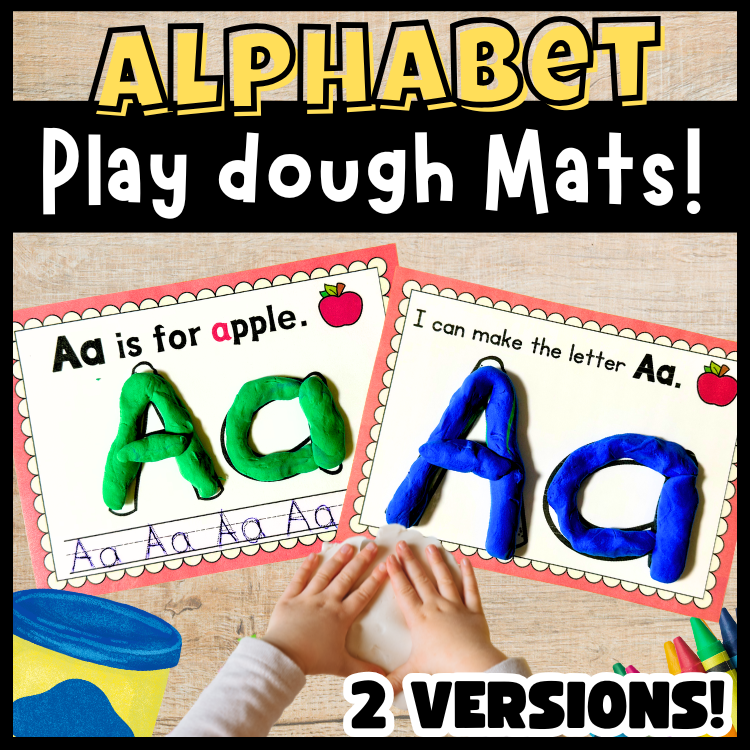
Alphabet Play Dough Mats
A Fun, Hands-On Way to Practice Letter Formation
If there is one thing I have learned from teaching young children, it is this: the more hands-on an activity is, the more excited kids are to learn!
And honestly, who doesn’t love play dough?
If you are looking for a fun way to help preschool and kindergarten students practice their ABCs, alphabet play dough mats are such a simple addition to your literacy centers. They combine letter recognition, letter formation, fine motor practice, and even a little letter tracing—all while making learning feel like play.
Because let’s be honest… handing a preschooler a worksheet and saying, “Okay, let’s practice our letters!” doesn’t always get the biggest reaction.
But put some colorful play dough on the table?
Suddenly everyone wants to practice the letter A.
Why Use Play Dough for Alphabet Learning?
Learning to recognize and form letters takes lots of practice. For young learners, however, repeatedly writing letters with a pencil can become tiring or frustrating. Especially when they are still developing the fine motor skills needed for handwriting.
This is where hands-on alphabet activities can make such a difference.
When children roll, pinch, squeeze, and shape play dough, they are using their hands and fingers while also working on letter formation. Instead of simply looking at a letter on a worksheet, they are physically creating it.
That makes alphabet practice much more interactive!
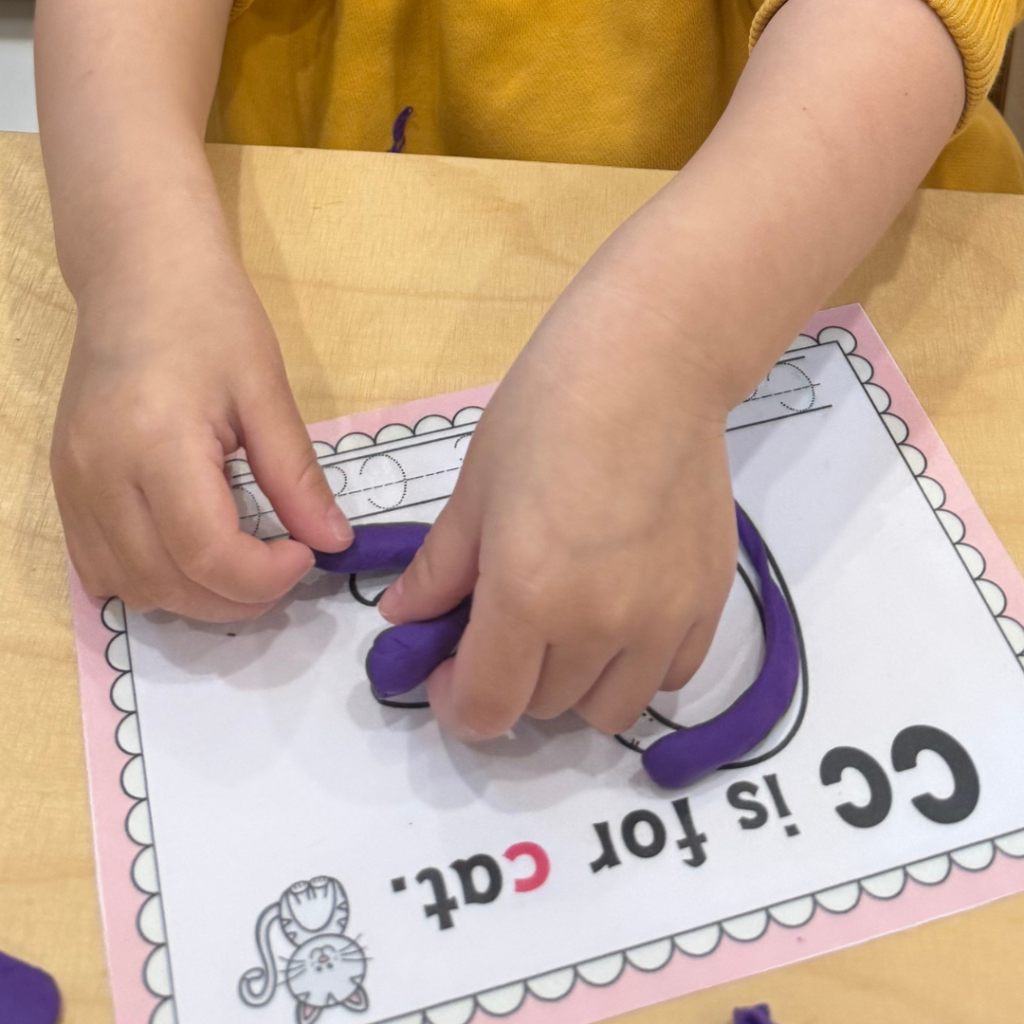
Play dough alphabet activities can help students practice:
- Uppercase letter recognition
- Lowercase letter recognition
- Letter formation
- Letter tracing
- Fine motor skills
- Visual letter recognition
- Following visual directions
- Beginning letter-sound connections
And the best part?
It doesn’t feel like traditional handwriting practice.
It feels like play 🫶
What's Included:
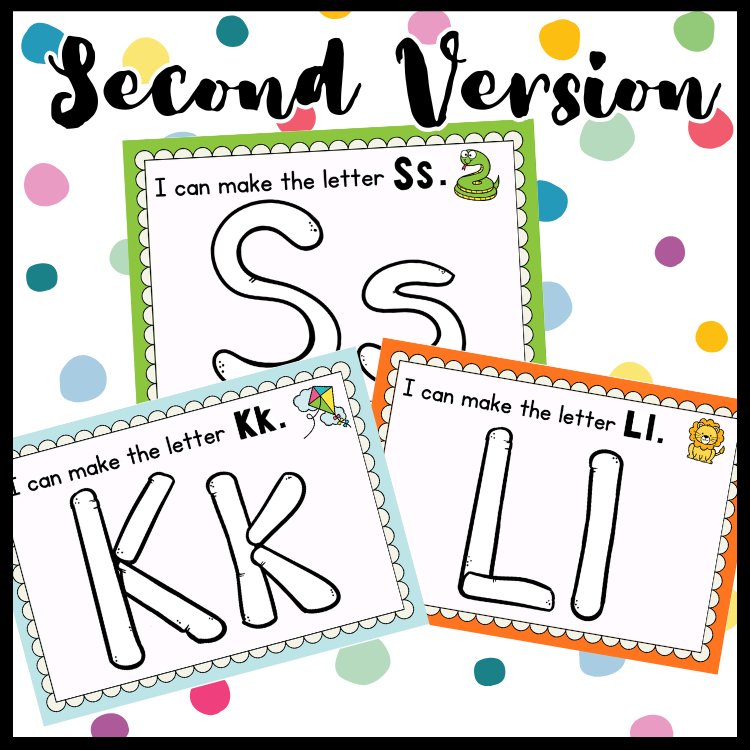
The mats include the entire alphabet from A–Z, with both uppercase and lowercase letters.
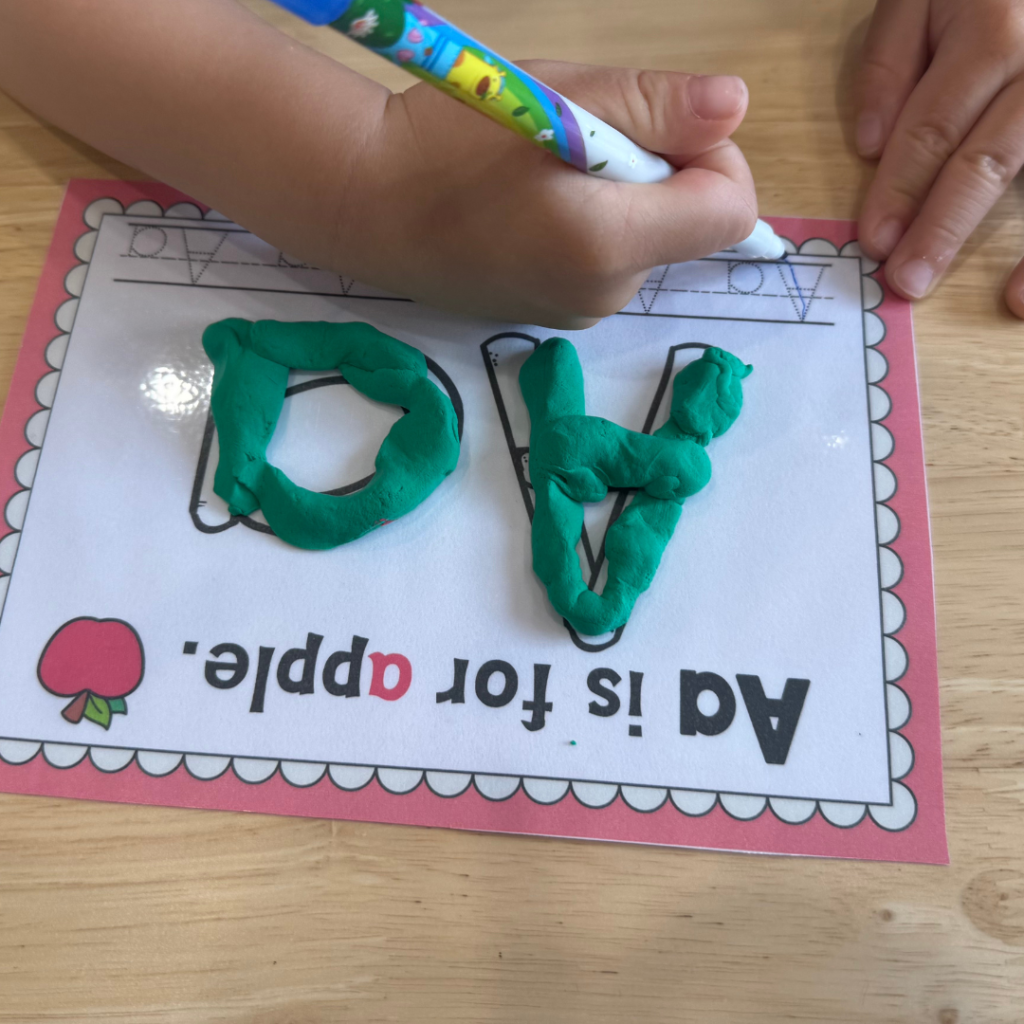
Students use play dough to form each letter by following the visual guide on the mat. Once they have built the letter, they can move on to tracing it with a dry erase marker.
This creates a really nice progression:
See the letter → Build the letter → Trace the letter
For children who are just beginning to learn their letters, that extra hands-on step can make letter formation feel much more approachable.
2 Ways to Use Alphabet Mats
One of my favorite things about this resource is that there are two versions, so you can choose the level that works best for your students.
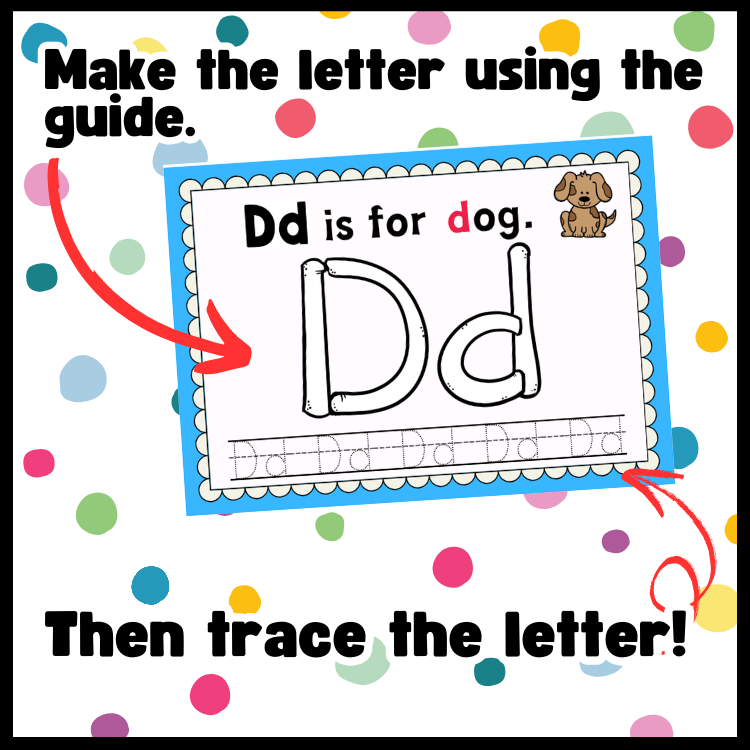
Version 1: Build & Trace
This version gives students the full hands-on experience.
Students first use play dough to form both the uppercase and lowercase letters using the visual guide. Then, they trace the letters at the bottom of the mat with a dry erase marker.
This is a great option for students who are ready to connect letter formation with early handwriting practice.
You can also use this version during literacy centers, small-group instruction, or independent practice.
Version 2: Build Only
Sometimes our learners aren’t quite ready for tracing and that’s completely okay!
The Build Only version allows students to focus entirely on forming the letters with play dough.
This makes it especially useful for younger preschool students or children who are still developing their confidence with letter formation.
It also gives teachers an easy way to differentiate the activity without needing completely different materials.
Why Letter Formation Matters?
Before children can confidently write letters, they need opportunities to learn what letters look like and how they are formed.
That is why letter formation activities are such an important part of early literacy instruction.
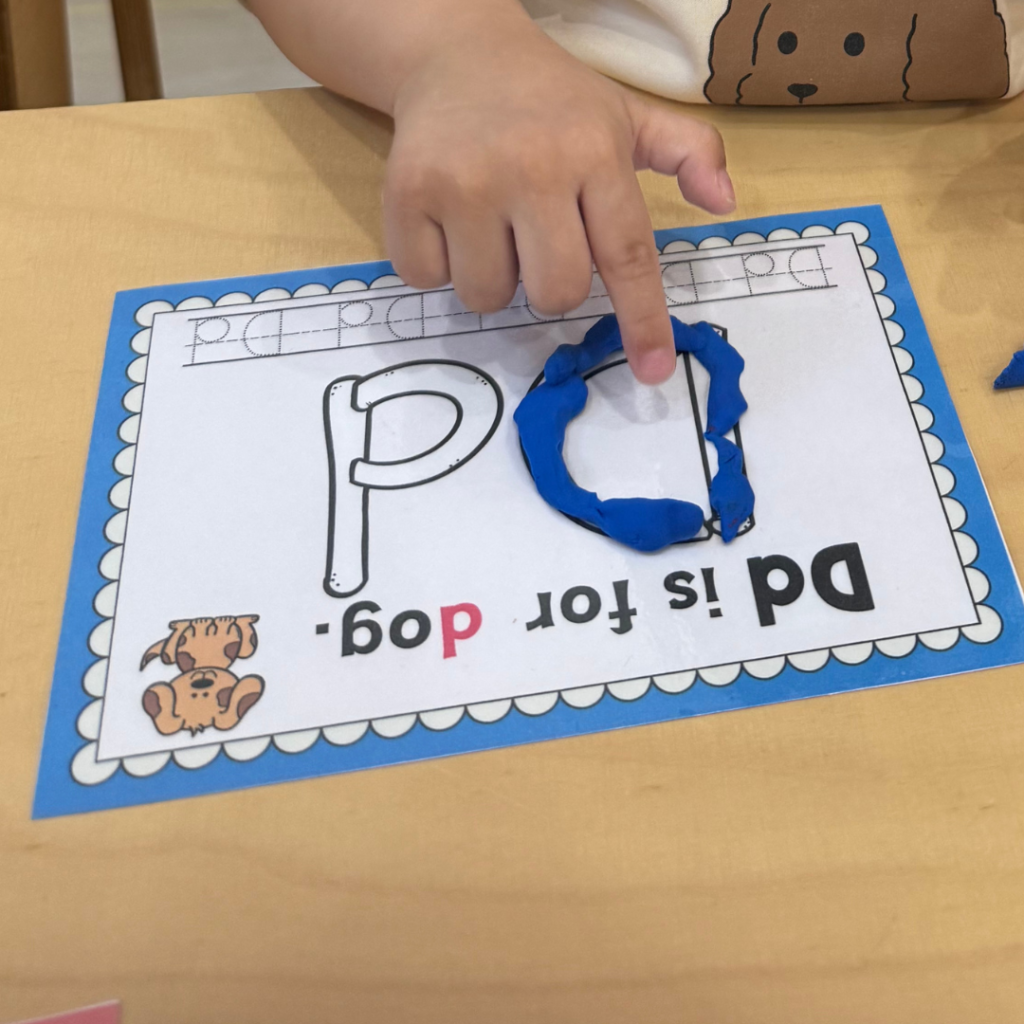
When students build a letter with play dough, they are paying attention to the shape and structure of that letter. They are learning that an uppercase A looks different from a lowercase a, and that each letter has its own unique formation.
Repeated practice helps children become more familiar with the letters they will eventually need to write independently.
And because play dough is tactile, students get to touch and manipulate the shape of the letter rather than simply looking at it.
Don't Forget About Fine Motor Skills!
Here’s another reason I love incorporating play dough into early learning activities: fine motor practice!
Rolling play dough into long pieces, squeezing it, pinching it, and manipulating it into different shapes all require children to use their hands and fingers.
These movements give young learners opportunities to strengthen and develop the fine motor skills they use throughout the school day.
So while your students think they’re simply making letters out of play dough…
They’re actually practicing a whole lot more!